
Understanding Macronutrients

A detailed exploration of carbohydrates, proteins, and fats: their functions and dietary sources

What are Macronutrients?

Macronutrients are nutrients required in larger quantities to provide energy and support bodily functions. There are three primary macronutrients: carbohydrates, proteins, and fats. Each plays distinct roles in human physiology.

Carbohydrates

Organic compounds composed of carbon, hydrogen, and oxygen. They serve as the primary energy source for the body and are particularly important for brain and muscle function.

Proteins

Amino acid-based compounds essential for building and repairing tissues, producing enzymes, and synthesizing hormones. Proteins are crucial for numerous bodily structures and functions.

Fats

Energy-dense compounds that support hormone production, vitamin absorption, and cell membrane integrity. They also serve as an important energy reserve.

Carbohydrates: Structure and Function

Carbohydrates are classified into simple and complex forms based on their molecular structure.

Simple Carbohydrates

Include monosaccharides (single molecules) and disaccharides (two molecules). Examples include glucose, fructose, and sucrose. These are quickly digested and provide rapid energy.

Complex Carbohydrates

Include polysaccharides such as starches and fiber. Found in whole grains, legumes, and vegetables, they provide sustained energy release and often contain beneficial fiber.

Role in Energy Production

Carbohydrates are metabolized into glucose, which serves as fuel for cells. The body maintains glucose levels through digestion and storage mechanisms for consistent energy availability.
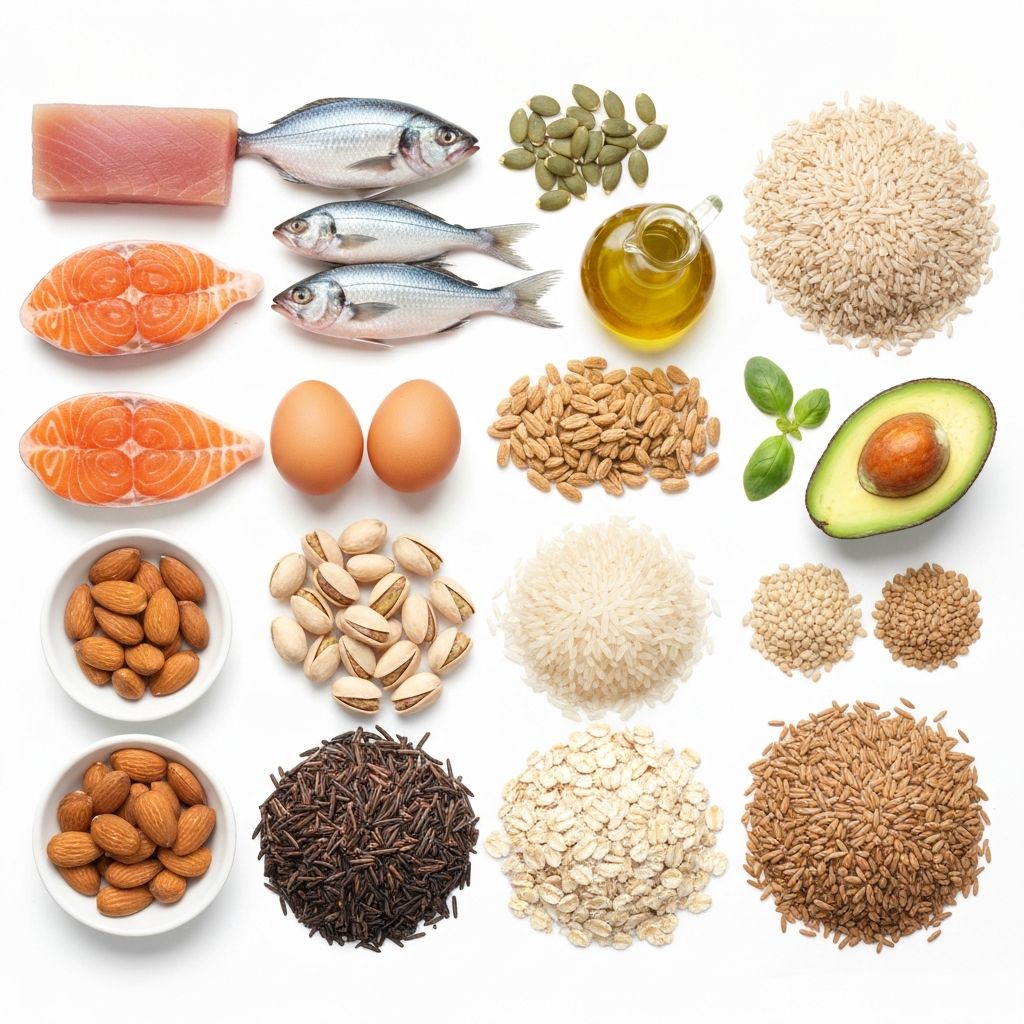
Macronutrient food sources

Protein: The Building Blocks

Proteins are composed of amino acids arranged in various sequences. The human body requires twenty different amino acids, of which nine are considered essential (must be obtained from food).

Functions of Proteins

  • Muscle tissue construction and repair
  • Enzyme production for biochemical reactions
  • Hormone synthesis and regulation
  • Immune function through antibody production
  • Structural support in bones, skin, and connective tissues
  • Transportation of nutrients and oxygen

Protein Sources

Animal Sources: Fish, poultry, eggs, dairy products, and meat contain all essential amino acids (complete proteins).

Plant Sources: Legumes, nuts, seeds, and whole grains provide protein with varying amino acid profiles. Combining different plant sources creates a complete amino acid spectrum.

Fats: More Than Just Energy

Fats are essential macronutrients with multiple important functions beyond energy provision.

Types of Dietary Fats

Fat Type Sources Characteristics
Monounsaturated Olive oil, avocados, nuts Liquid at room temperature; associated with general wellness
Polyunsaturated Fish, seeds, vegetable oils Include omega-3 and omega-6 fatty acids; essential for bodily functions
Saturated Meat, dairy, coconut oil Solid at room temperature; should be consumed in moderation

Functions of Dietary Fats

  • Fat-soluble vitamin absorption (vitamins A, D, E, K)
  • Cell membrane structure and integrity
  • Hormone production and regulation
  • Nervous system function
  • Energy storage for long-term use

Macronutrient Balance in Daily Nutrition

A balanced diet typically includes contributions from all three macronutrients. The specific proportions may vary based on individual circumstances, but understanding the concept of balance is foundational to nutritional literacy.

Carbohydrate Sources

Whole grains, oats, brown rice, sweet potatoes, beans, fruits, and vegetables provide carbohydrates along with fiber and micronutrients.

Protein Sources

Fish, chicken, eggs, legumes, nuts, dairy, and tofu offer protein with varying micronutrient profiles.

Fat Sources

Olive oil, nuts, seeds, avocados, fatty fish, and other natural fats provide essential fatty acids and fat-soluble vitamins.

Important Limitations and Context

This website offers general educational information and is not intended to provide personalized medical or dietary advice. The content does not constitute a substitute for professional consultation, diagnosis, or treatment. Dietary needs and health conditions vary among individuals, and readers should consult with qualified healthcare professionals for personalized guidance. The information presented aims to explain concepts and describe phenomena, without influencing personal health decisions or promoting specific actions.

Back to Home